


Tag: cheetahs
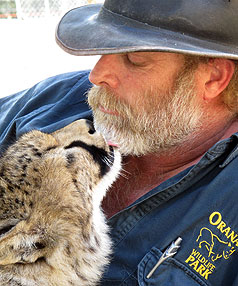
When their mother rejected Kengo, Shomari, Kunjuki and Mazza after they were born in April, the keepers had to work around the clock to ensure their survival. The cubs were fed, cleaned up after, groomed, and now they're being watched to make sure the cheetahs get enough exercise and stick to their diet.
The cheetahs are gaining weight fast, their condition is improving, and even over a single weekend you can see how much they've grown. Tennis balls, frisbees and sticks keep the young animals entertained, and their diet consists mostly of horse meat with a weekly portion of chicken.
Graham Petrie says that each of the cheetahs is completely different from the others and needs individual care. The little lady (Mazza) is a bit fussy, Kengo is the biggest of the three boys and quite calm. Shomari is second, and Kunjuki is the smallest, which can make him more aggressive. A "girlfriend" for the males will be brought over from Africa in February.
Based on materials from Stuff.co.nz.
The American Veterinary Medical Association has announced new details about the health of cheetahs at the Safari West wildlife preserve in Santa Rosa, California. Following the initial report of a cheetah with swine flu, it now turns out that three more animals are infected with the virus.
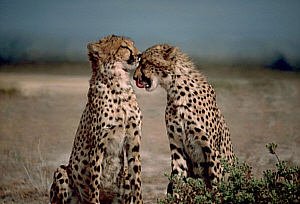
Cheetahs (photo by Gary M. Stolz, U.S. Fish and Wildlife Service)
The first cheetah showed symptoms of respiratory illness on November 15th; these included lethargy, loss of appetite, a runny nose, and coughing. 6 days later, similar symptoms appeared in a second animal. On days 9 and 11, a third and fourth cheetah fell ill. The last two cheetahs showed signs of a more severe respiratory infection. Nasal swabs from one of them tested positive for the H1N1 virus.
All four cheetahs recovered within 5–16 days of the onset of symptoms.
Based on materials from Examiner.com.
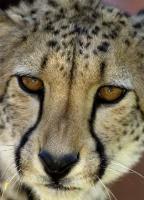 Gijima, an eight-year-old female cheetah from the Safari West preserve in Santa Rosa, California, was diagnosed with the N1H1 virus after she developed symptoms of illness on November 15th. They decided to run the test because several domestic animals, cats among them, had caught the virus from humans. There is no confirmation that the disease passes from pets to their owners.